

ICMS 2026: Advancing Solutions for Water, Energy, and the Environment
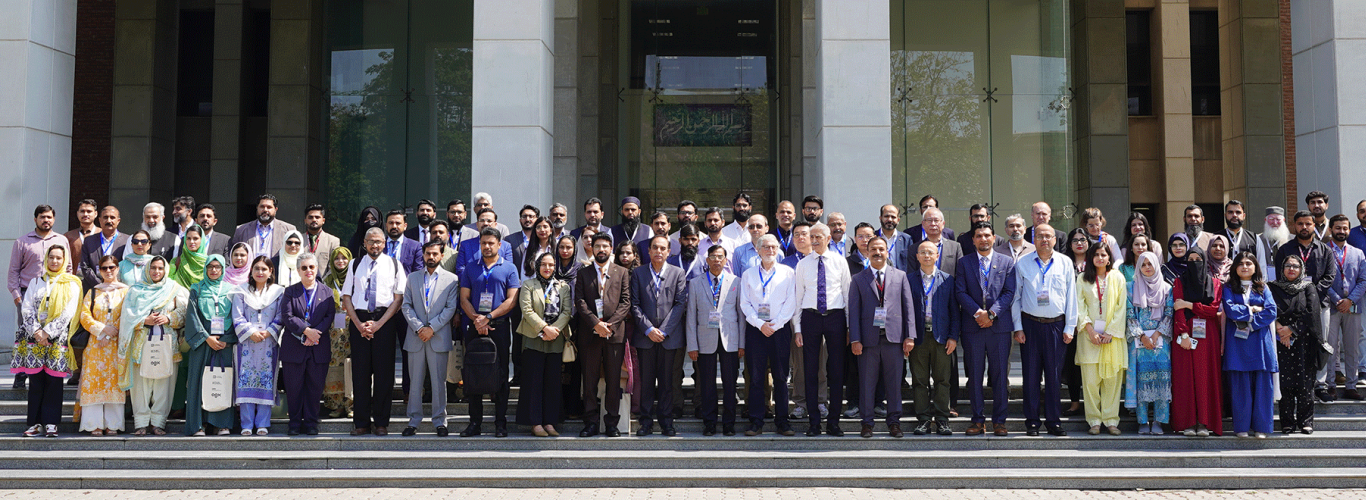


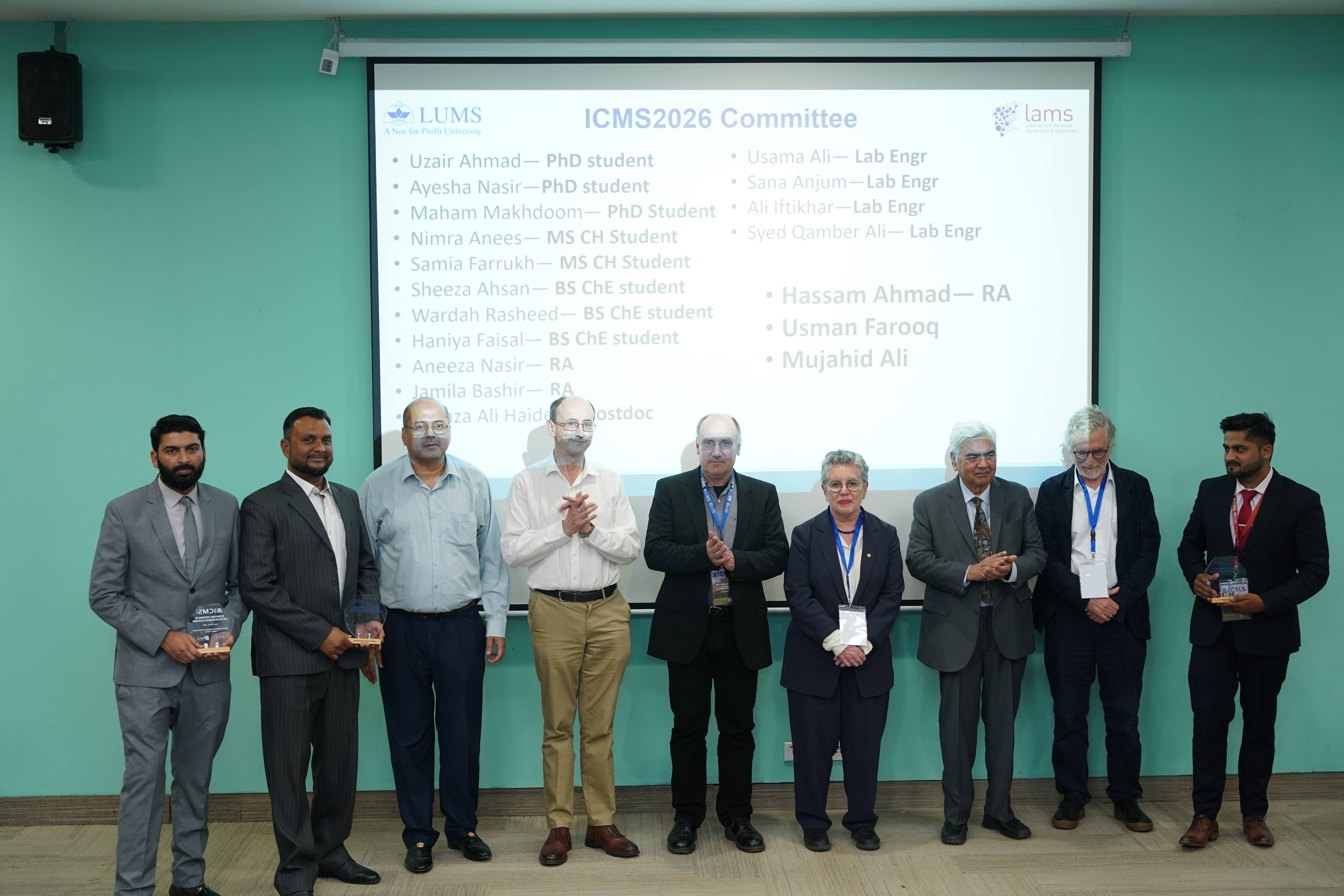
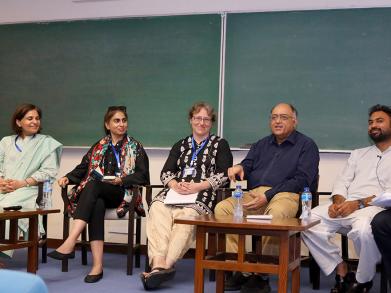
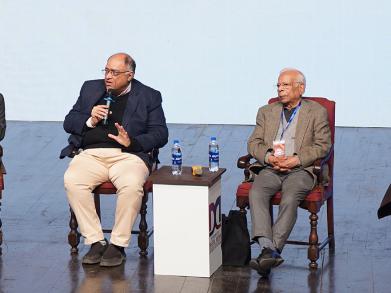
The Department of Chemistry and Chemical Engineering at LUMS hosted the two-day International Conference on Cooling and Membrane Separations (ICMS 2026), which brought together global pioneers to explore how membrane technology can address critical challenges in water, energy, and the environment, particularly the growing challenge of global water scarcity.
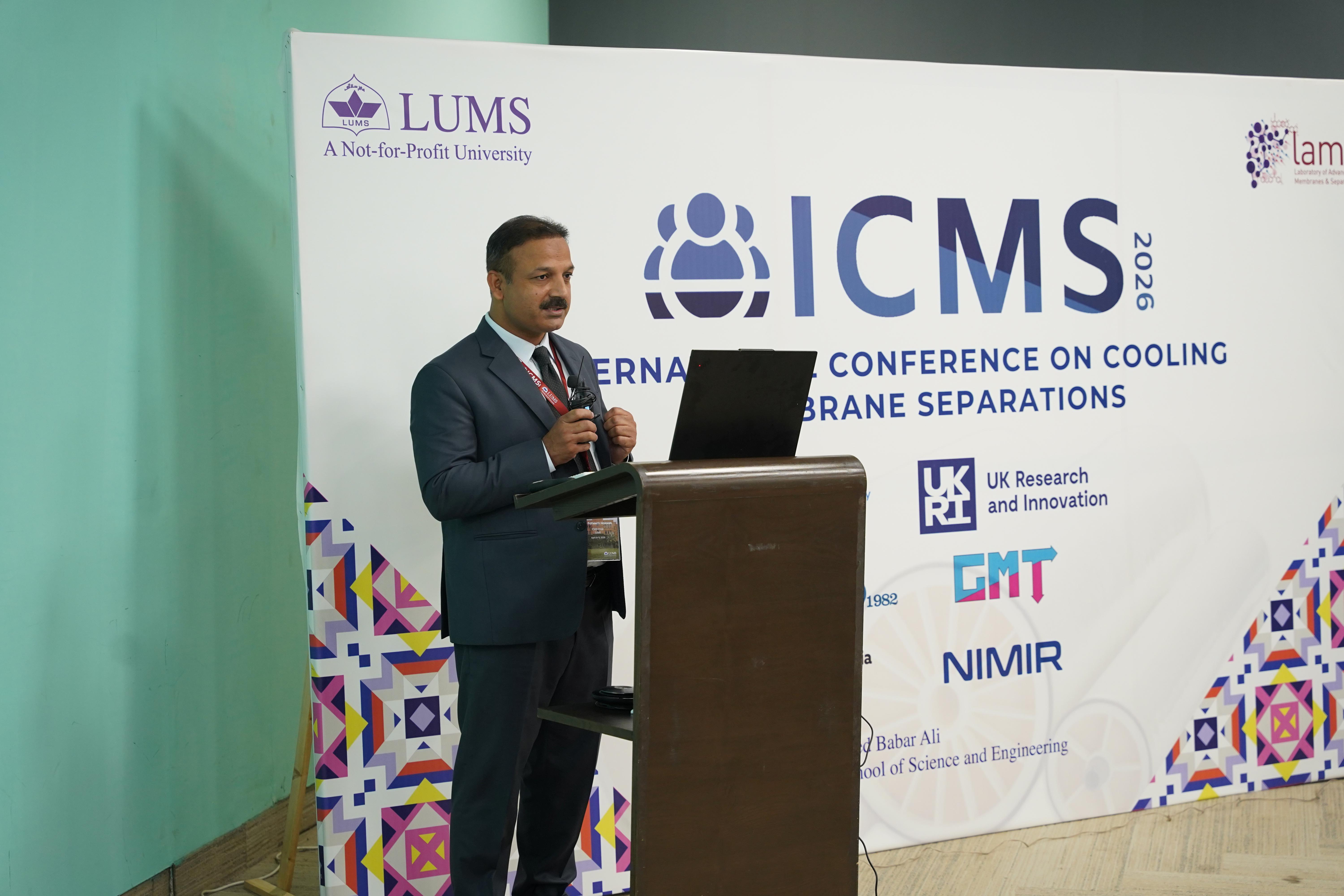
A key concern throughout the conference was the limited availability of usable freshwater despite the abundance of water on Earth. Participants noted that desalination is becoming increasingly necessary to meet rising demand, yet existing technologies remain energy-intensive, highlighting the urgency of developing more efficient solutions.
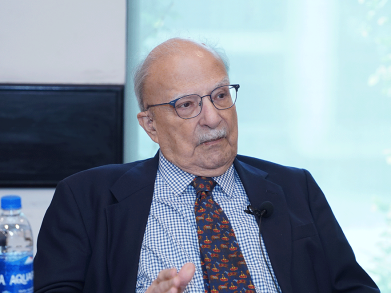
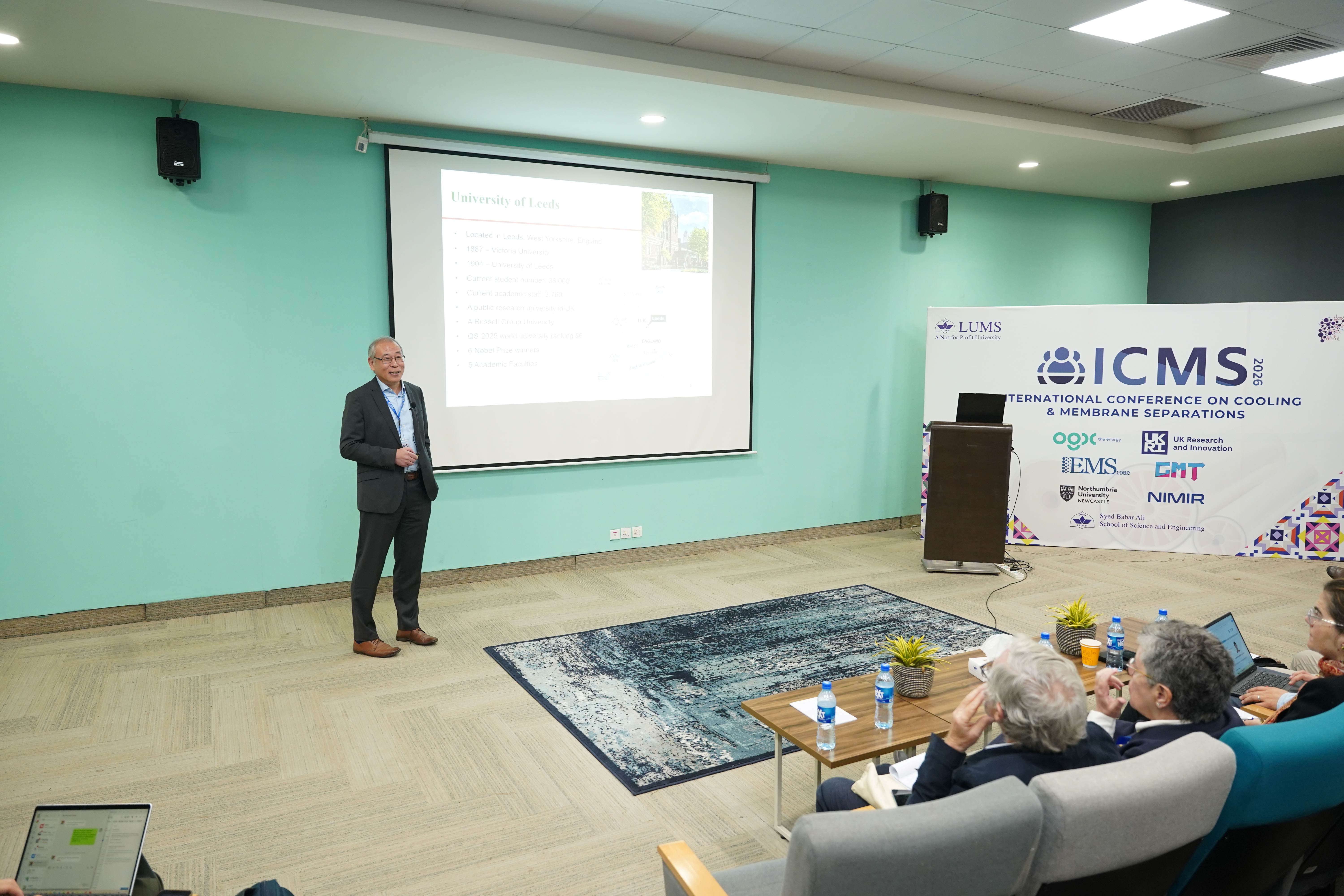
Prof. Sheng Dai from the University of Leeds briefly outlined how advanced membrane technologies can improve freshwater production from seawater while reducing energy use. He pointed to reverse osmosis as the dominant method globally, while noting efficiency and operational challenges in current systems.
Much of the discussion focused on advances in membrane engineering, particularly nanocomposite membranes designed to enhance water flow while maintaining high salt rejection.
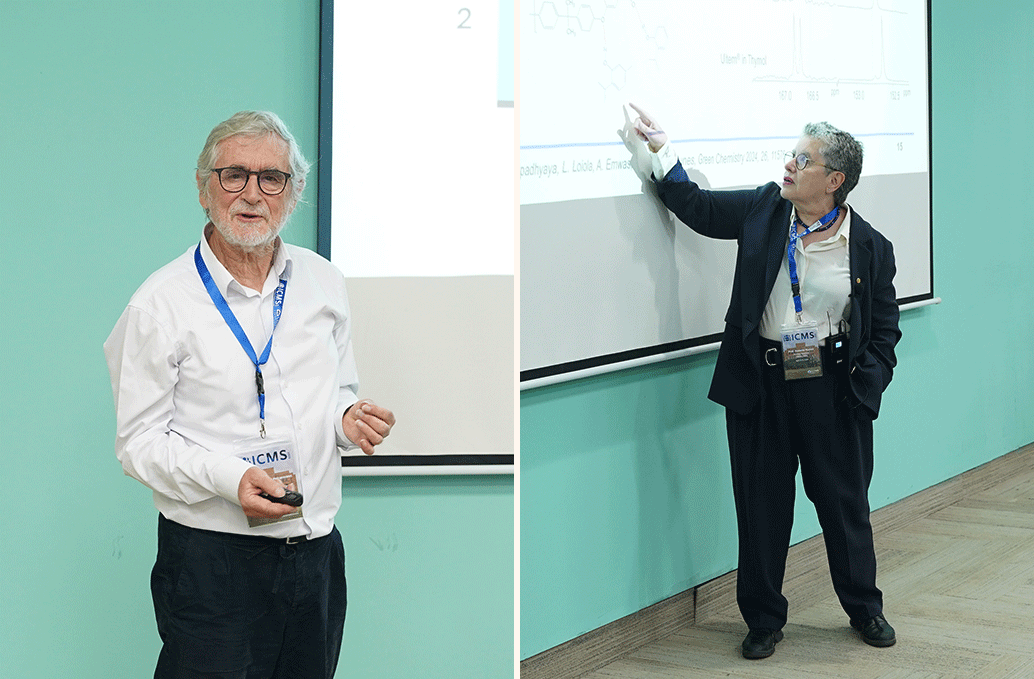
Prof. Suzana Nunes from King Abdullah University of Science and Technology discussed sustainable membrane fabrication using green solvents and biopolymers, while Prof. Klaus-V. Peinemann, also from King Abdullah University of Science and Technology, highlighted the challenges of scaling membrane technologies from laboratory research to industrial production.
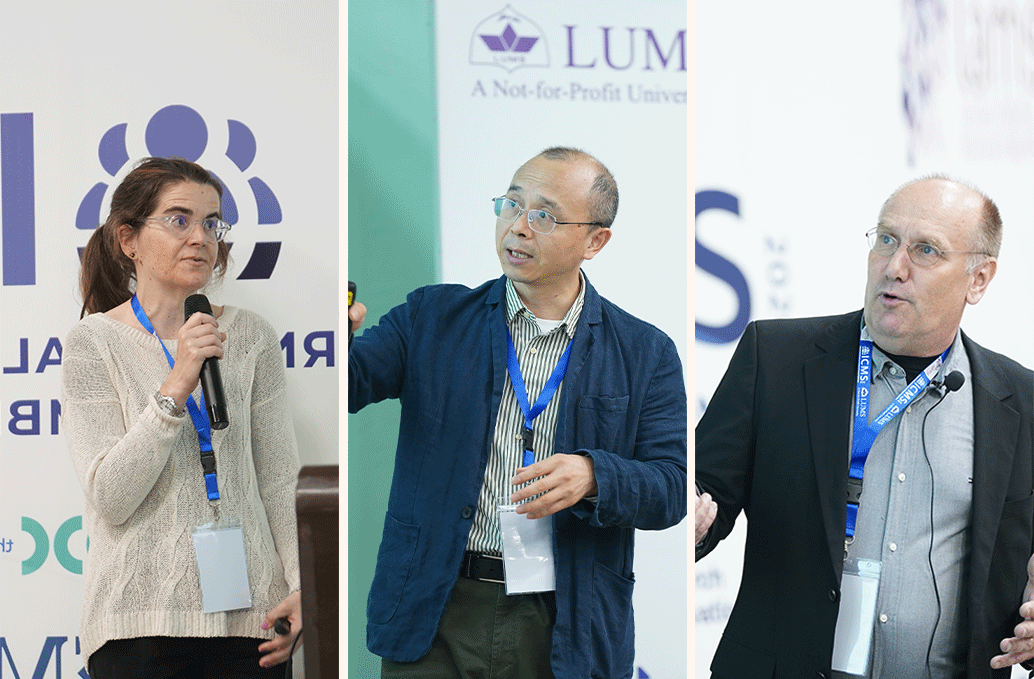
Several speakers connected membrane research to broader sustainability goals. Dr. Clara Casado Coterillo, Associate Research Professor, University of Cantabria, highlighted membrane materials in electrochemical innovation, stating, “Capturing CO₂ is only the beginning, converting it is the future.” Building on this idea of resource transformation, Prof. Frank Lipnizki from Lund University explained how membranes enable low-energy, high-efficiency resource recovery in the bioeconomy. Similarly, Prof. Tao He of the Shanghai Advanced Research Institute highlighted advances in tackling micropollutants in water through improved separation techniques.
Water-focused solutions remained central to the conversation. Dr. Qian Chen, Associate Professor, Tsinghua University, emphasised the urgency of water scarcity and pointed to membrane distillation for high-salinity water treatment. Similarly, Dr. Aamer Ali, Associate Professor, Aalborg University, discussed its potential for industrial wastewater treatment using low-grade heat.
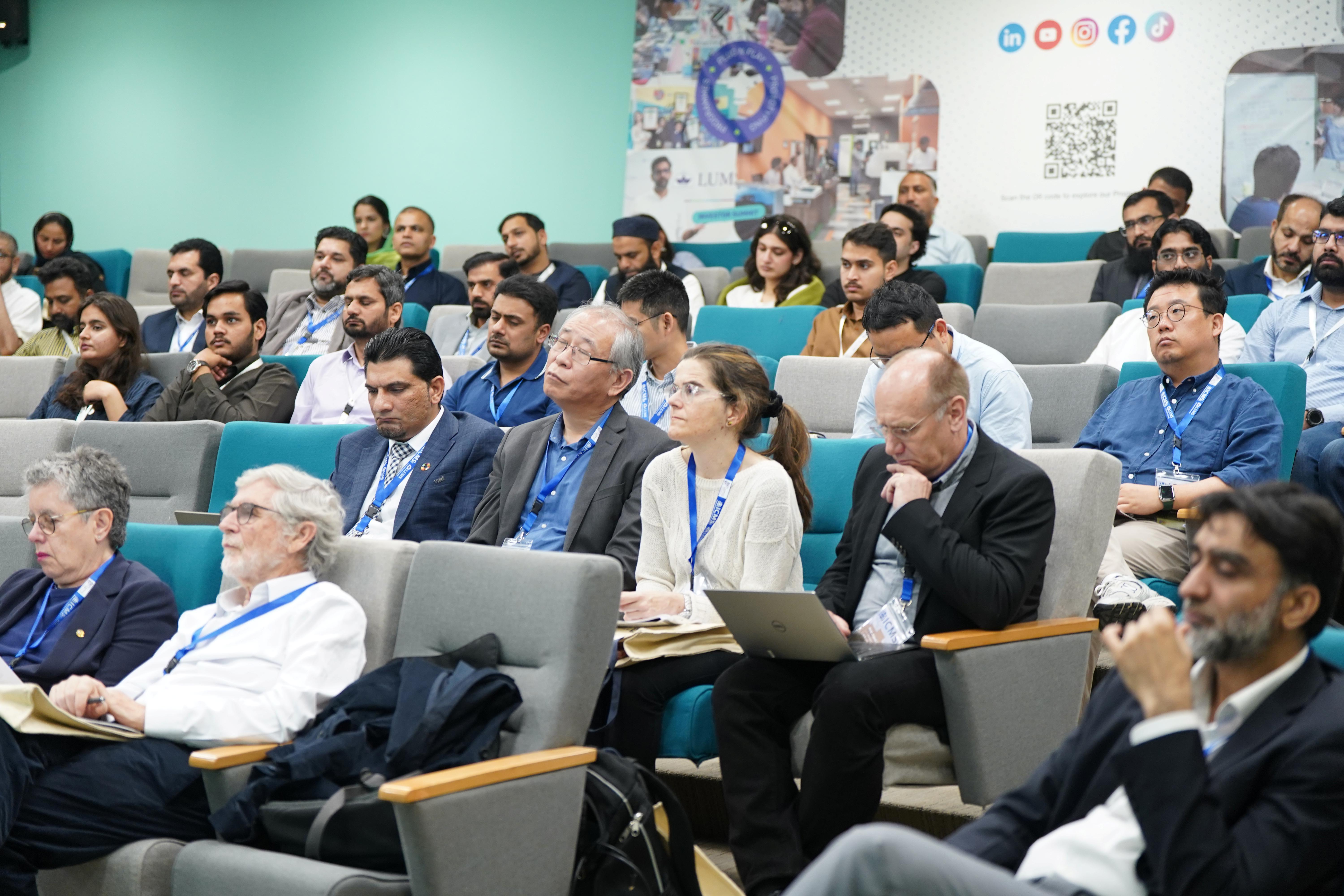
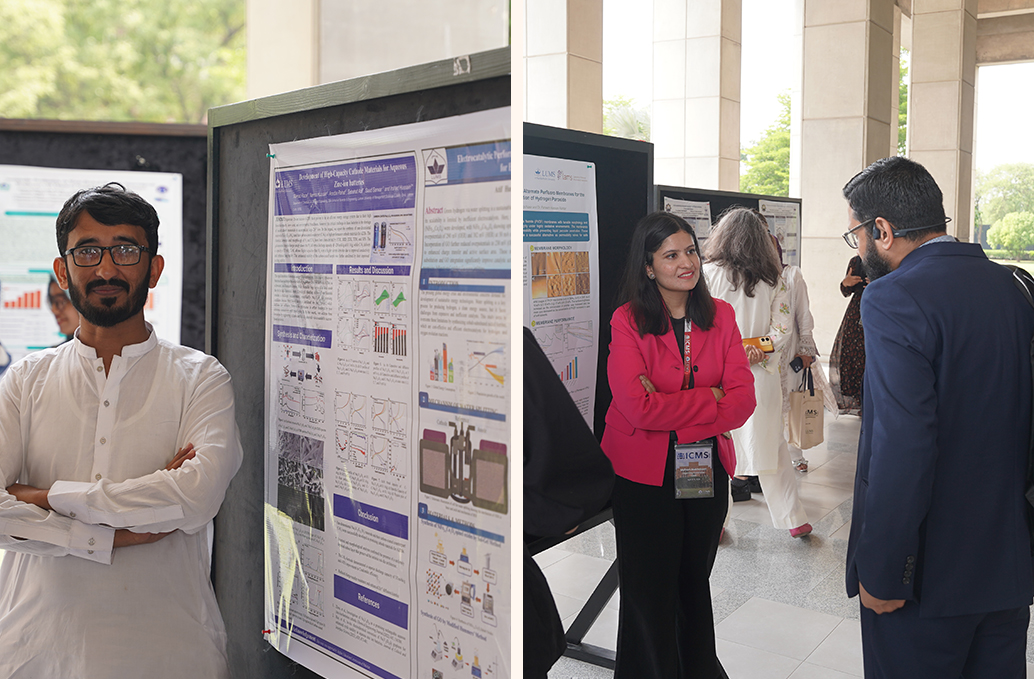
Concluding the discussions, speakers emphasised that improving membrane efficiency, durability, and scalability is essential for making these technologies more accessible and affordable in water-stressed regions. The conference underscored the importance of collaboration across materials science, chemical engineering, and technological innovation in addressing the global water crisis. Participants also presented their research findings, contributing to ongoing discussions and future directions in membrane science.