

Femtech Innovation Hub Concludes with Founder Pitches at the Slingshot Investor Summit


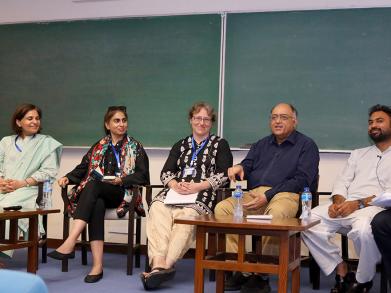
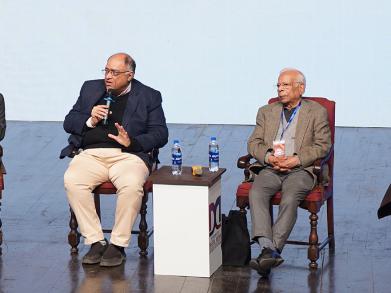
The recent Slingshot Investor Summit marked an important milestone for the LUMS Centre for Entrepreneurship (LCE), serving not only as a platform for high-potential start-ups to connect with investors, but also as the official culmination of the Femtech Innovation Hub for Pakistan (FIHP).
As part of the Summit, two graduating FIHP founders — BeMe and EZShifa — took the stage to pitch their ventures to investors, showcasing innovative solutions designed to address some of Pakistan's most pressing healthcare challenges. BeMe is making mental healthcare more accessible through a digital platform that connects individuals with therapists based on their needs and financial circumstances, while EZShifa has built a technology-enabled primary healthcare system focused on reducing the cost of healthcare through digital clinics, telemedicine, and preventive care solutions.
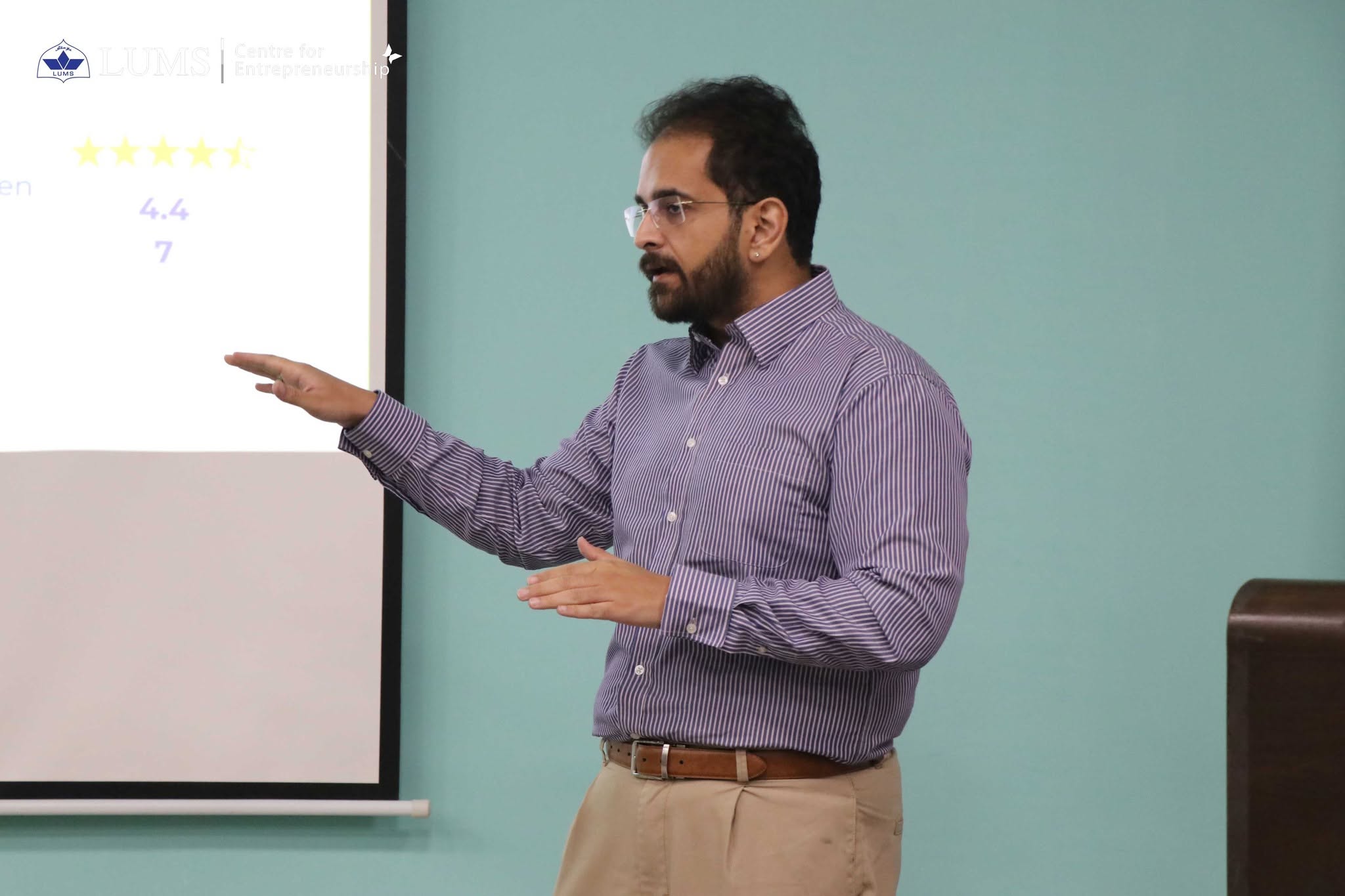
Their participation reflected the progress made throughout the programme and highlighted the growing potential of Pakistan's emerging femtech and healthtech ecosystem.
The Femtech Innovation Hub for Pakistan was developed by the Centre for Economic Research in Pakistan (CERP) in collaboration with LCE and funded by the Gates Foundation. The initiative was designed to support entrepreneurs building technology-driven solutions to improve women's health outcomes and well-being across Pakistan.
The need for such an initiative is significant. Pakistan continues to face persistent challenges in maternal and reproductive health, access to healthcare services, chronic disease management, mental health support, and health education. Despite these challenges affecting millions of women and families, dedicated support for founders building solutions in this space has historically been limited. FIHP sought to bridge this gap by equipping entrepreneurs with the knowledge, mentorship, networks, and resources needed to transform promising ideas into scalable ventures.
The focus areas identified within the FIHP were as follows: Menstrual & Gynaecological Health, Maternal & Reproductive Health, Chronic & Non-Communicable Diseases, Mental Health & Well-being, Communicable Diseases & Infections, Digital Health & AI, Data & Research Innovations, Femtech Market Access & Affordability, Social Impact & Policy Advocacy, and Health Education & Training.
Reflecting on the vision behind the programme, Imran Zia, Executive Vice President, Analytics & Labs at CERP, emphasised the scale of the opportunity and the importance of local innovation:
"We want to develop solutions for the 120 million women in Pakistan facing issues related to health and well-being. Pakistan has a large population living close to or just above the poverty line and dealing with numerous health challenges every day. We need a movement, an initiative that inspires entrepreneurs to solve local problems, innovate around healthcare delivery, and address chronic disease and preventive care."
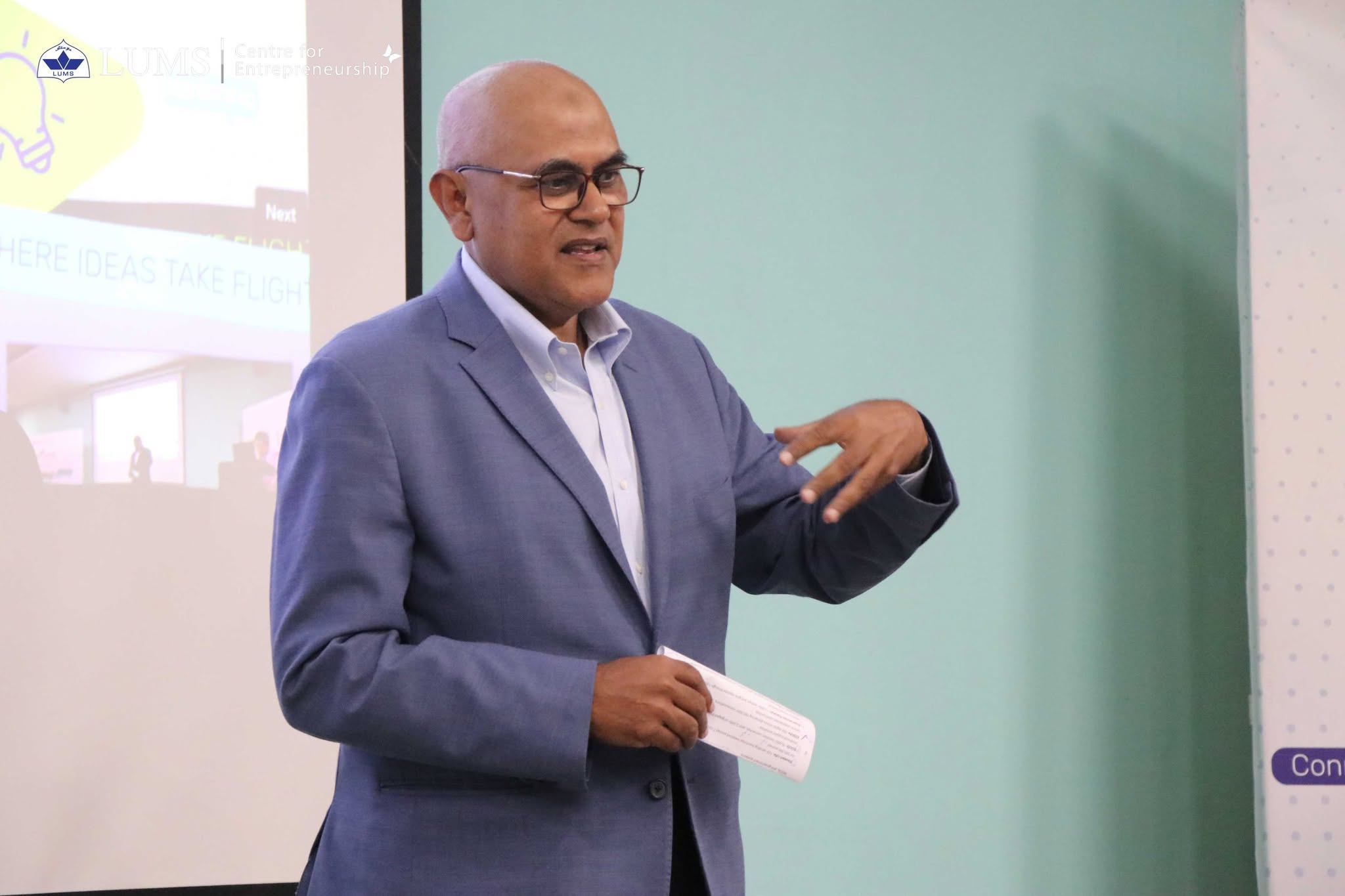
Over the course of the programme, founders participated in specialised training sessions, entrepreneurial workshops, mentorship engagements, legal and intellectual property clinics, investor readiness activities, and one-on-one coaching.
The cohort reflected the breadth of innovation emerging across Pakistan's health sector. Start-ups such as Superwomen Pakistan are addressing critical gaps in feminine hygiene and women’s health access through a Femtech platform that combines awareness, education, and innovative distribution models, including smart vending solutions and digital tools to break menstrual health taboos. Meanwhile, GOUD is transforming maternal and child wellness through a comprehensive pregnancy and parenting app that supports families from conception through early childhood, offering expert-guided content, community support, and access to trusted healthcare professionals.
Other ventures focused on mental health, menstrual health education, nutrition, parenting support, community-based healthcare delivery, and improving access to quality healthcare services in underserved communities. Together, these founders demonstrated how technology and entrepreneurship can be leveraged to tackle some of the country's most pressing healthcare challenges.
Talking about the transformative work of the start-ups that were part of the FIHP cohort Jazib Zahir, Director LCE, shared, “The Femtech Innovation Hub with CERP allowed us to focus our resources on the specific theme of developing products for women’s health and well-being. This focused effort on curriculum and innovation brought forward many exciting innovations in this space and provided a platform to entrepreneurs scaling solutions related to health, safety and hygiene.”

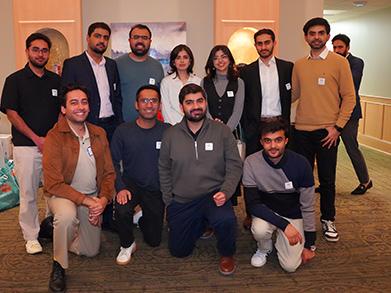
The impact of the programme extended beyond training. A total of 38 start-ups were incubated through the LCE Idea Launch Programme, receiving access to entrepreneurial training, mentorship, investor readiness support, and a growing network of industry experts and ecosystem stakeholders. Six start-ups progressed to the LCE Slingshot Acceleration Programme, five successfully graduated from the programme, and three founders were selected to pitch at the Slingshot Investor Summit. These milestones reflect both the quality of the participating ventures and the growing momentum of Pakistan's femtech ecosystem.
The programme's graduating cohort reflected the diversity of innovation emerging within Pakistan's health ecosystem. The ventures included Nature's Calm, NanoDrop, Metformin-Curcumin Nanococrystal Based Sublingual Tablets, Eager Engineers, Soofi Consulting & Coaching, PCOS Support, Fit Her, MaaSi, Nutri Fruiti, PCOS Clinic, E-Intel, FemEase, Sehat Dastak, SDSM Health Services, Empower Through Literacy, Markhor3D, Mind Match, Bio-Nano Innovation Pvt Ltd, EZShifa, GOUD, Superwomen Pakistan, Davaam Life, Pocket Therapist, Swift Hygiene Industry, Hb Booster Innovata, Synerhealth Nexus (Sakinah Care), Cervitest, Yumkins, Fempure (CYNTAX), Be Me, GynoWise, Torch Bearer (Maahwari), and Sayfe Space.
As the Femtech Innovation Hub concludes, its impact will continue through the founders and ventures it helped support. At LCE, we remain committed to empowering entrepreneurs who are solving real-world problems and creating meaningful social impact. We look forward to continuing our work with innovators developing solutions that strengthen communities, improve lives, and contribute to a healthier and more equitable future for Pakistan.